

Chiêu Lầu Thi Mountain Ancient Tea Sanctuary
Vietnam’s First Tea Conservation Area
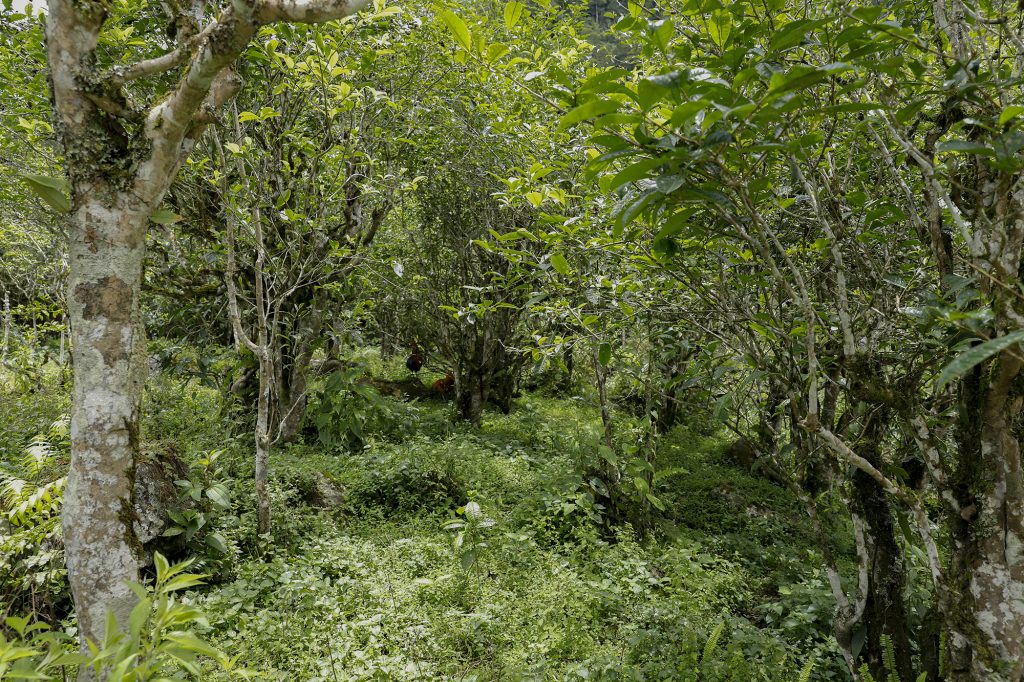
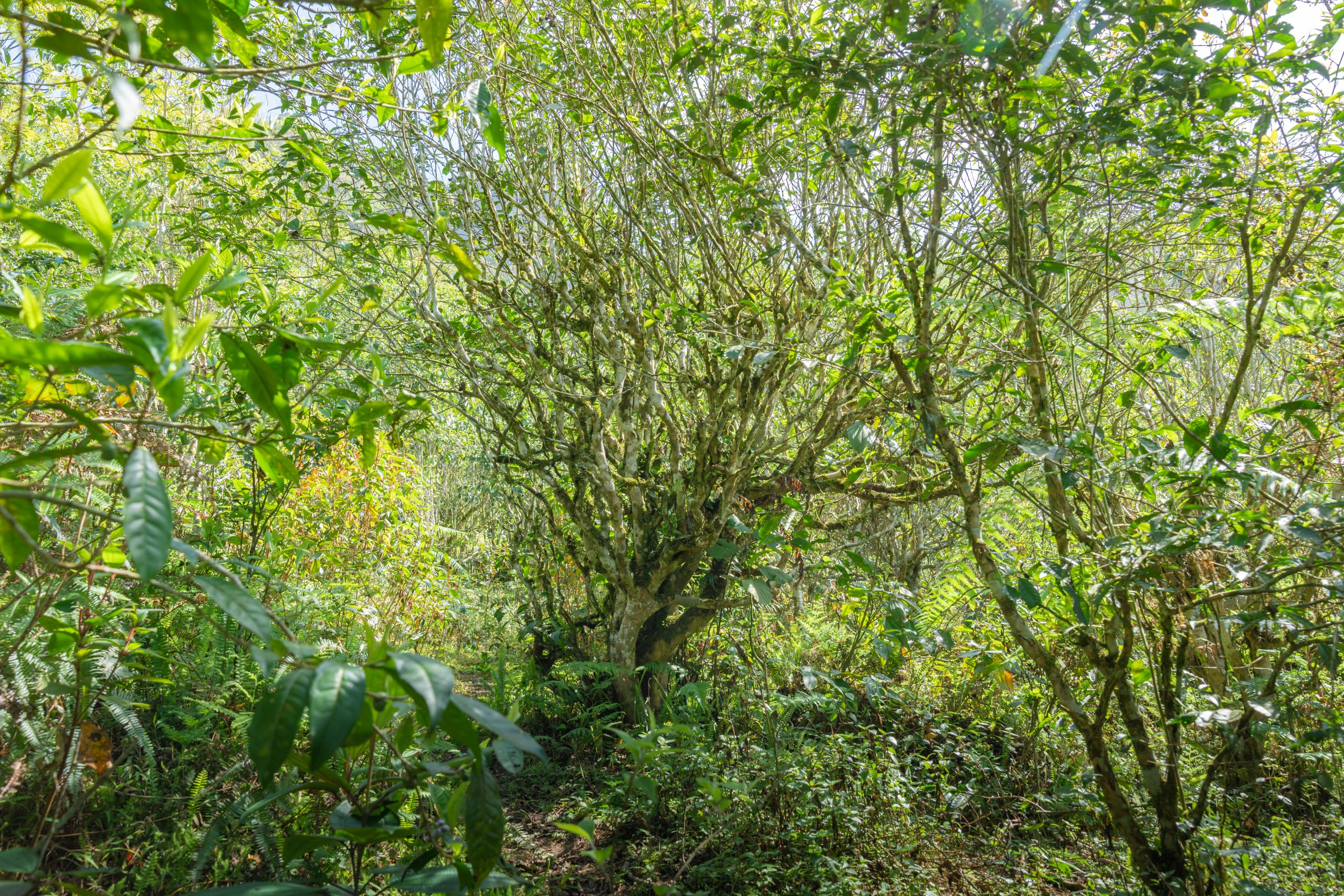
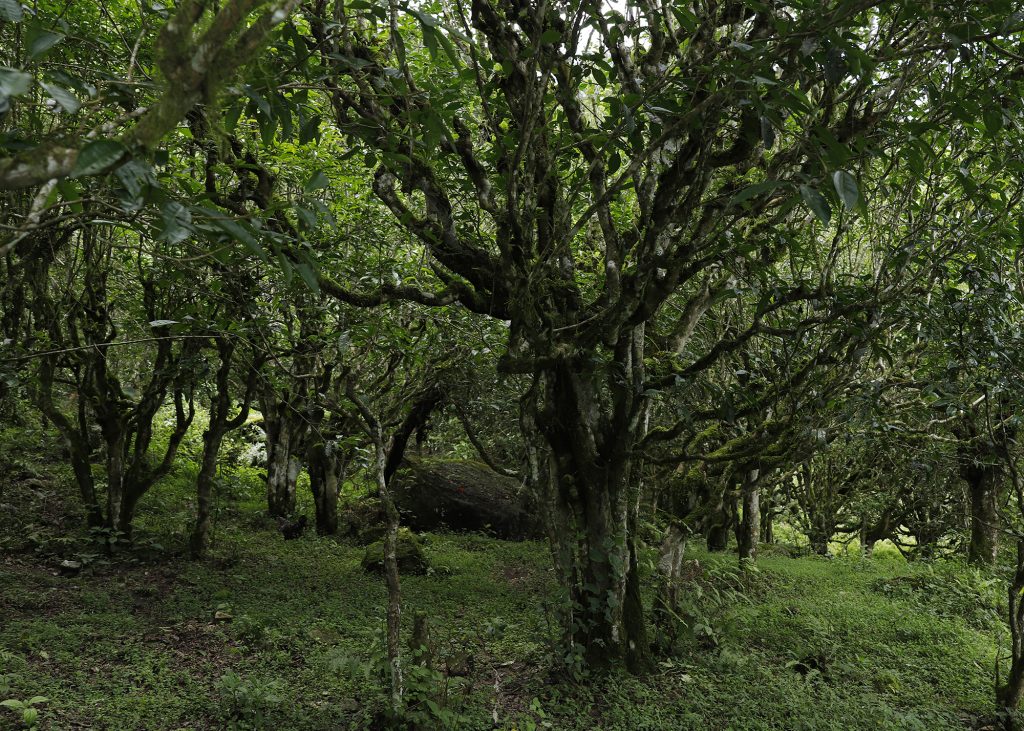
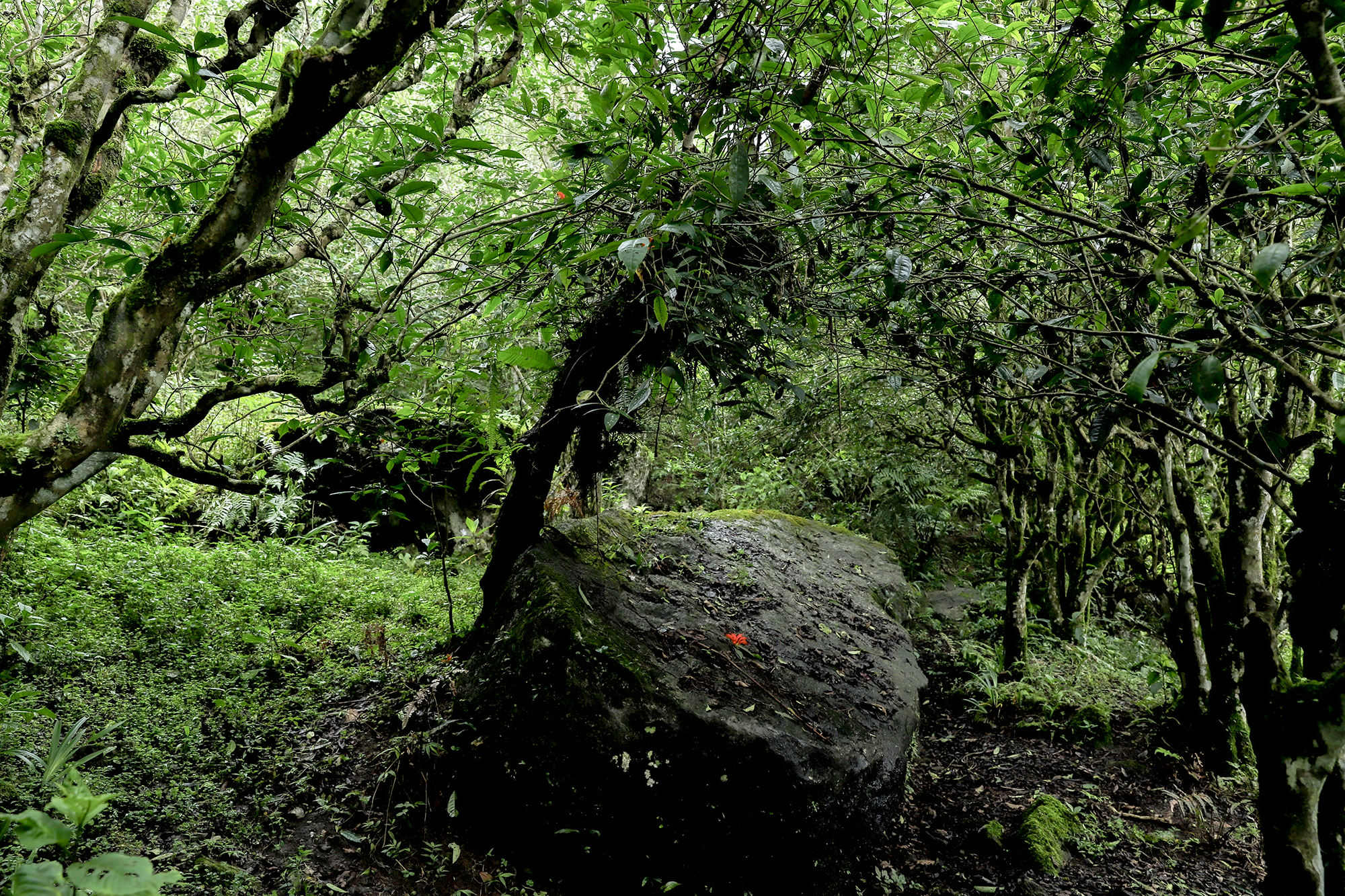
The centuries-old Shan tea forest—a precious natural heritage nestled in the northernmost region of Vietnam—serves not only as a symbol of endurance but also reflects the cultural richness and indigenous wisdom of local nature conservation. Standing tall at elevations exceeding 1,300 meters in Hồ Thầu Commune, these ancient Shan Tuyet tea trees are protected through nature-aligned farming methods: strictly no pruning and zero chemicals. Beyond providing raw materials for aged tea, this sanctuary serves as a living testament to the resilience of mountain forest ecosystems.
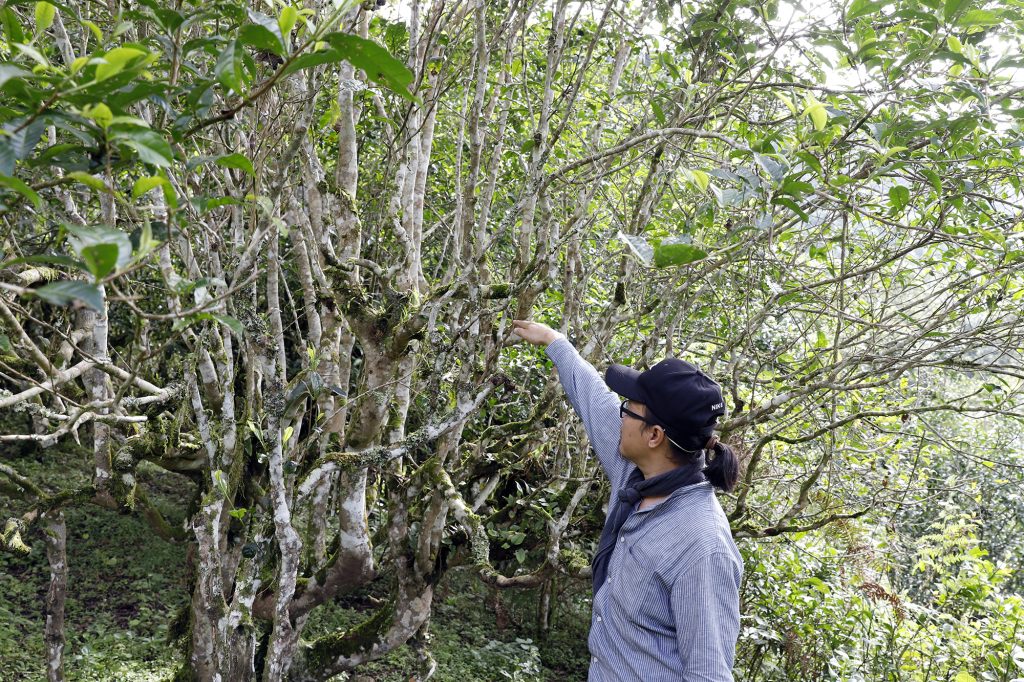
Our tea master, Nguyễn Trung Dũng, has dedicated nearly a decade to reviving and preserving this ecosystem using agroforestry techniques. Through relentless effort, he has restored these ancient trees while elevating ancient Shan Tuyết tea into an exceptional tea product of immense economic and scientific value. Let us explore this remarkable journey through the story below.
Heritage of the Ancient Shan Tuyết Tea Forest
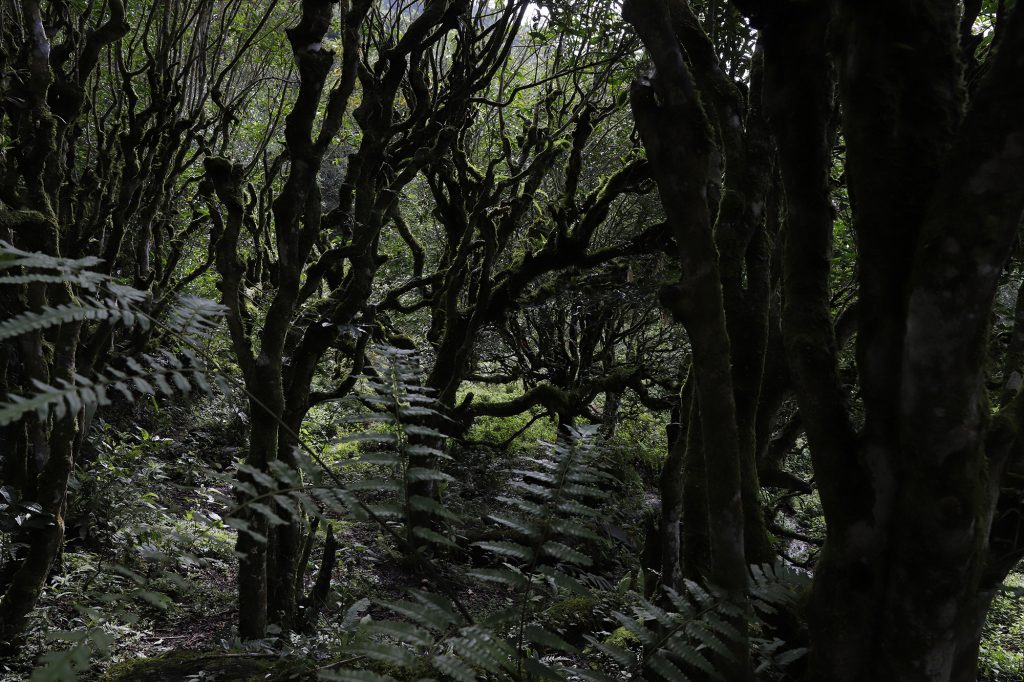
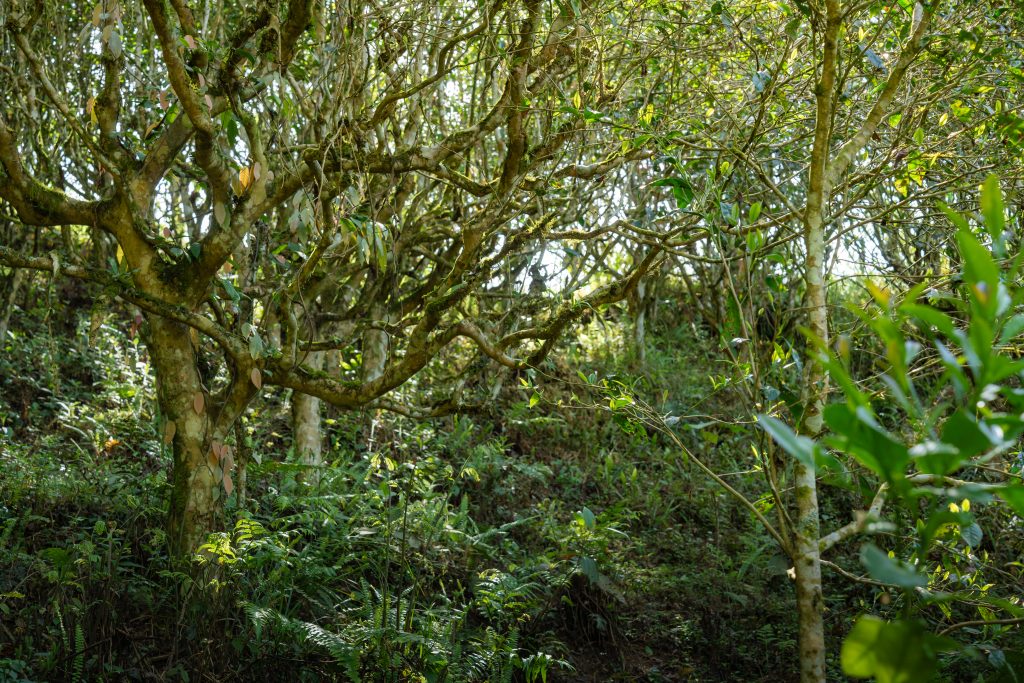
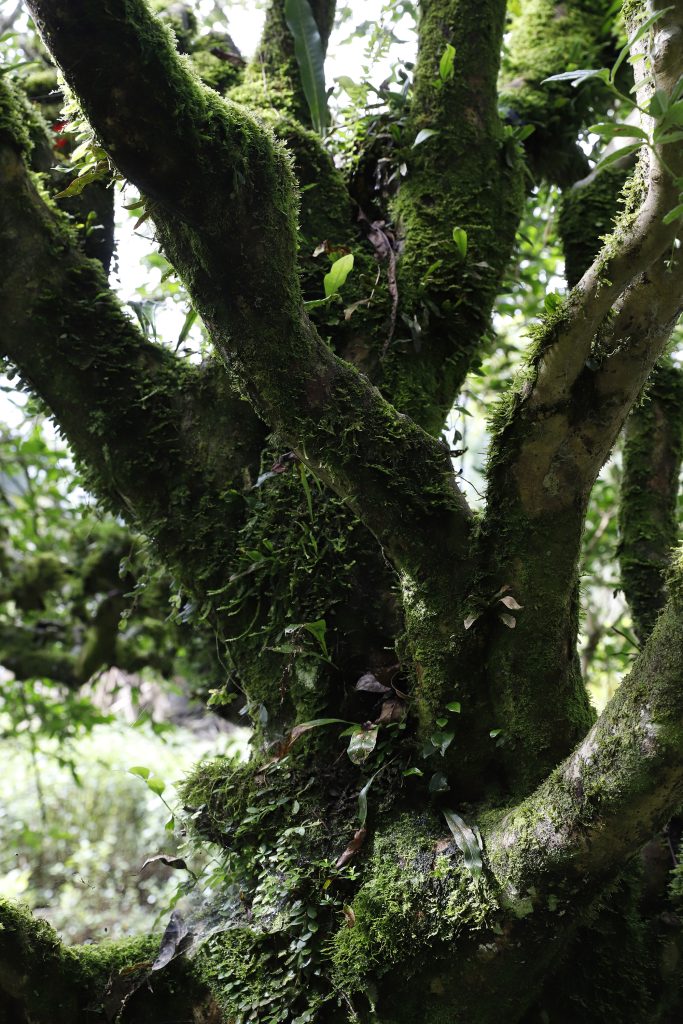
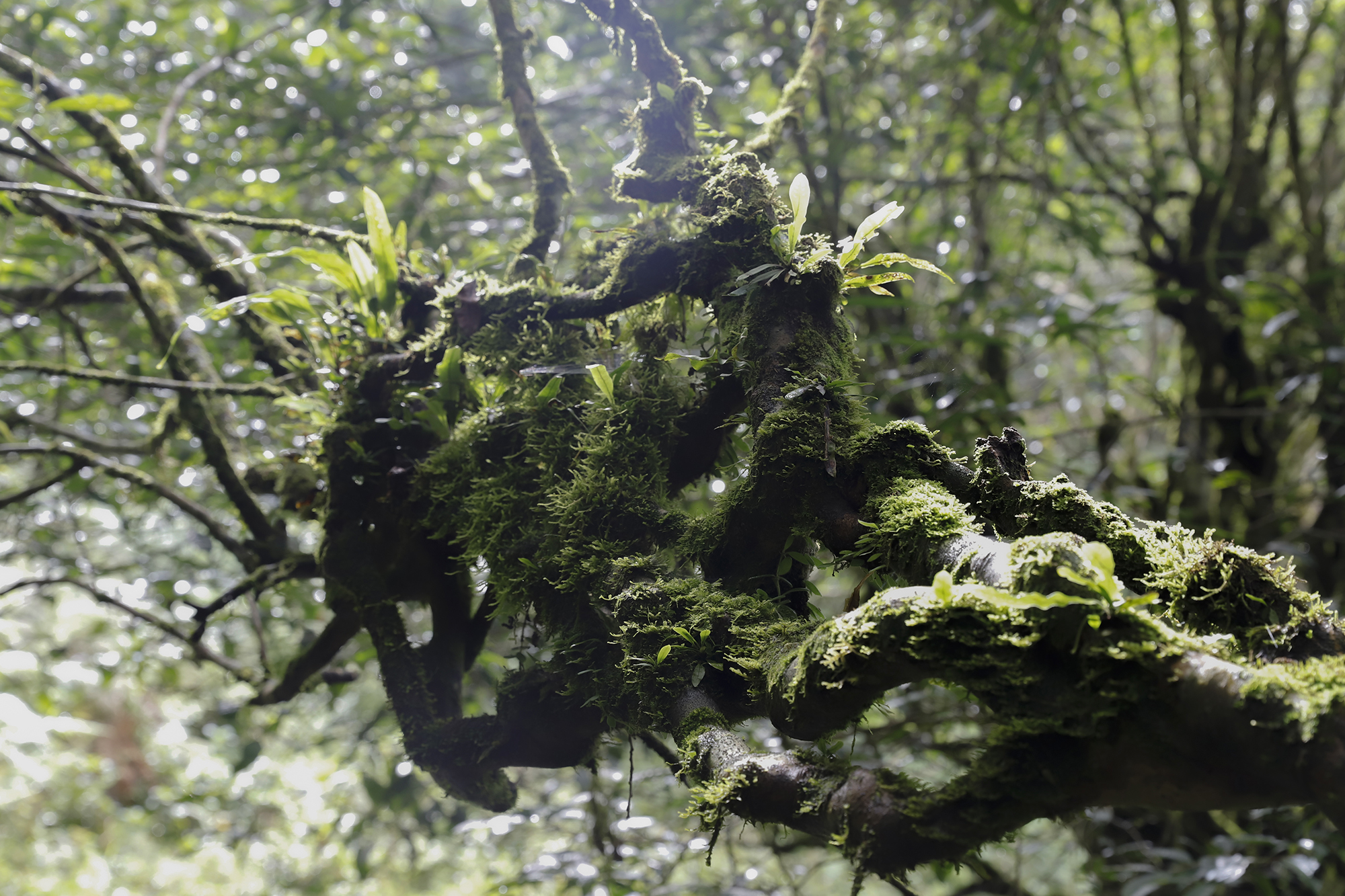
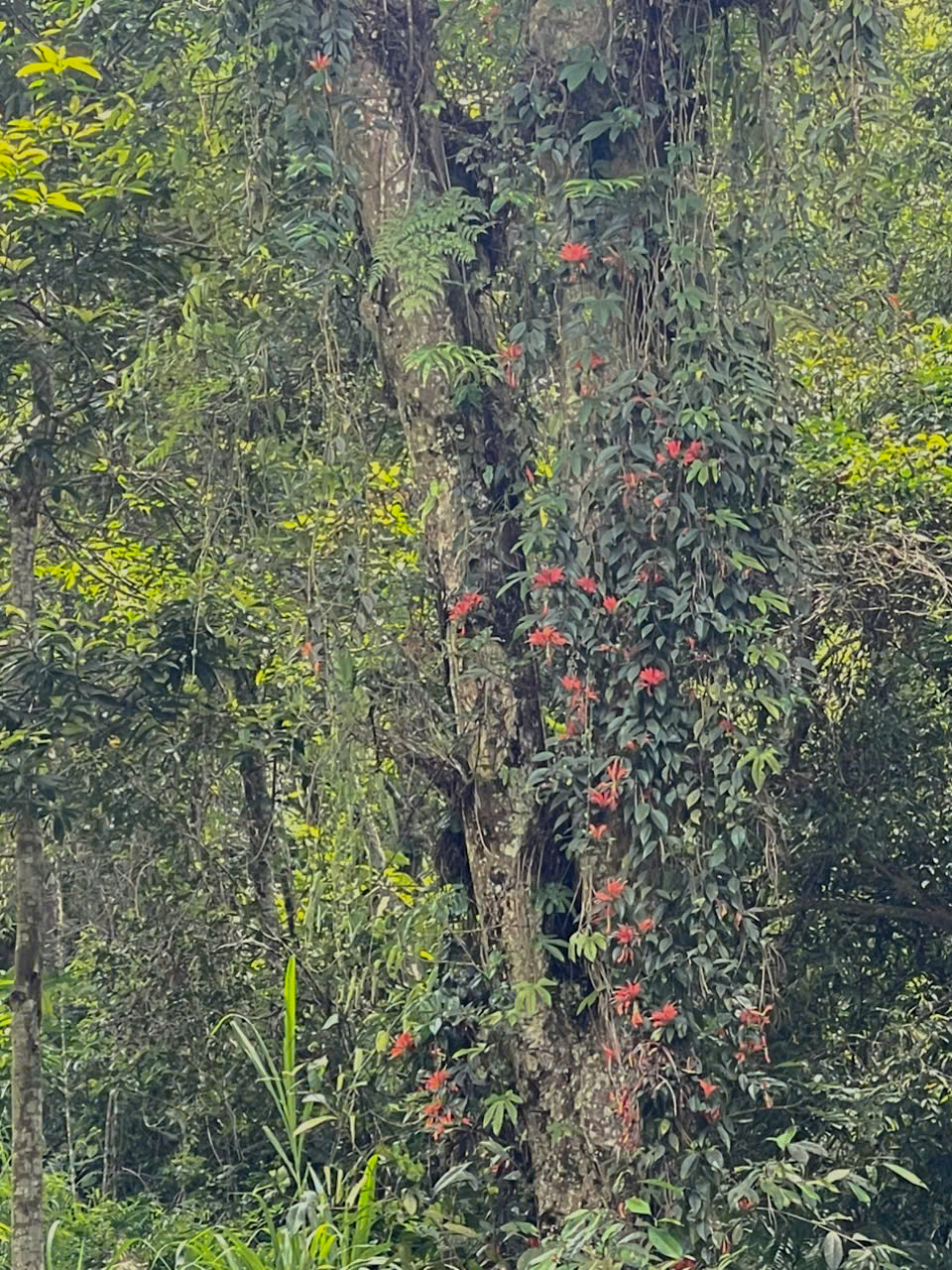
The ancient Shan tea forest is far more than a production site; it is a profound cultural and ecological heritage. Shaped over centuries, the tea forest in Hồ Thầu, Hà Giang carries unique environmental, historical, and local cultural values. The ancient trees, with gnarled trunks covered in lichen, represent both a precious resource and a symbol of nature’s timeless endurance.
Cultural and Economic Value of the Tea Forest
Conservation & Development Methods for Ancient Shan Tuyết Tea
Preserving the ancient Shan tea forest is a shared responsibility embraced by the entire community. Under the leadership of Mr. Nguyễn Trung Dũng, nature-aligned cultivation methods have been implemented to protect and cultivate the forest while creating high-value preserved tea products.
Nature-Aligned Cultivation
Scientific Research on Shan Tuyết Tea
In 2024, Mr. Nguyễn Trung Dũng’s research team published a scientific paper in an international journal exploring the potential of ancient Shan Tuyết tea in supporting liver cancer cell treatments. The study isolated several active compounds from Shan Tuyết tea leaves, demonstrating significant promise in medical applications.
This milestone highlights the scientific importance of Shan Tuyết tea—not only as a premium beverage but also as a natural resource for medical and biological studies. Combining scientific inquiry with conservation represents a major step forward for the brand.
Sustainable Growth Potential
Spanning over 12 hectares of ancient tea forest, Từ Văn Tea has established a sustainable harvesting model limited to just 1 to 2 harvests per year. This practice gives the forest time to regenerate while guaranteeing exceptional product quality.
Aged teas harvested during the spring and winter yields deliver distinct flavor profiles tailored for the luxury market. This sustainable framework protects natural heritage while integrating local farmers into the value chain—a holistic strategy that preserves the forest while uplifting the local economy.